The Importance of Lean and Six Sigma Certification: A Guide to Career Growth
By Ajeetesh Singh
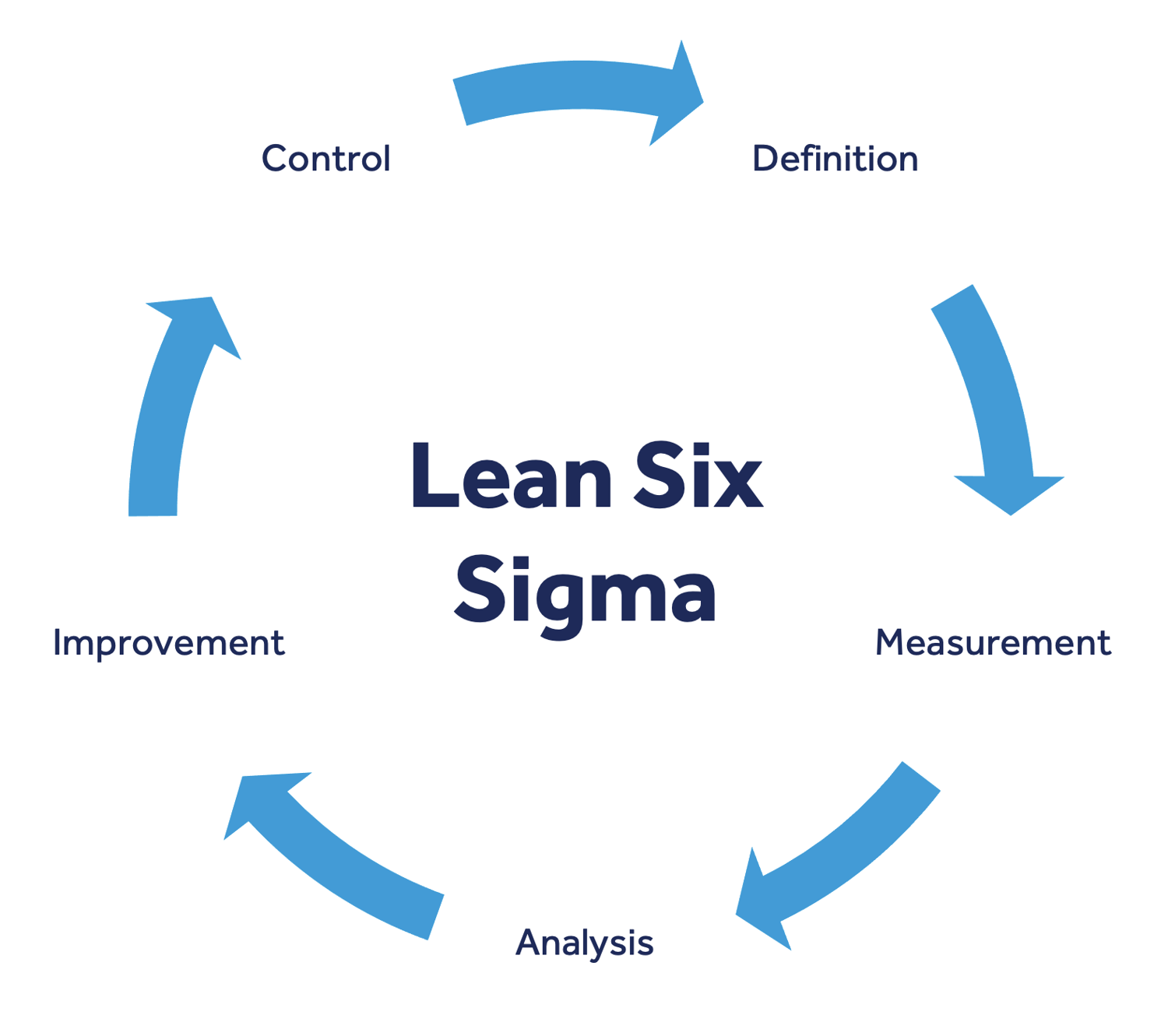
Lean and Six Sigma Certifications are valuable credentials that enhance process efficiency, reduce waste, and improve overall business performance. Whether you are an aspiring professional or a business owner, obtaining these certifications can open doors to new career opportunities and professional growth.
Why are Lean and Six Sigma Certifications Important?
Lean and Six Sigma methodologies focus on maximizing value while minimizing waste and defects in business processes. Here’s why these certifications are essential:
- Enhances problem-solving and analytical skills
- Boosts career prospects in industries like manufacturing, healthcare, IT, and supply chain
- Increases efficiency and reduces operational costs
- Makes you a valuable asset to any organization
- Helps organizations achieve consistent quality improvement and customer satisfaction
Types of Lean and Six Sigma Certification Belts
Both Lean and Six Sigma certifications follow a structured belt system, each representing different expertise levels:
- White Belt – Basic understanding of Lean and Six Sigma principles
- Yellow Belt – Supports Lean and Six Sigma projects and assists Green Belts
- Green Belt – Leads smaller Lean and Six Sigma projects and supports Black Belts
- Black Belt – Expert in Lean and Six Sigma methodologies, leading major projects
- Master Black Belt – Coaches and trains Lean and Six Sigma professionals, strategic-level expertise
Where and How to Get Lean and Six Sigma Certification?
There are several recognized institutions offering Lean and Six Sigma Certifications, including:
- ASQ (American Society for Quality)
- IASSC (International Association for Six Sigma Certification)
- Council for Six Sigma Certification (CSSC)
- Universities and Online Learning Platforms (Coursera, Udemy, edX, etc.)
To obtain certification:
- Choose the appropriate belt level based on your experience.
- Enroll in a recognized Lean and Six Sigma training program.
- Study the principles, tools, and case studies.
- Complete hands-on projects and real-world applications.
- Pass the certification exam.
How to Complete Lean and Six Sigma Certification Efficiently?
- Set Clear Goals: Define why you need the certification and how it aligns with your career goals.
- Choose the Right Course: Select accredited and industry-recognized training providers.
- Practice with Real Projects: Apply Lean and Six Sigma principles in real-world scenarios for better understanding.
- Engage in Continuous Learning: Stay updated with the latest trends and case studies.
- Network with Certified Professionals: Join Lean and Six Sigma forums for insights and best practices.
Career Growth with Lean and Six Sigma Certification
Lean and Six Sigma-certified professionals are in high demand across various industries. Career roles include:
- Lean Six Sigma Consultant
- Process Improvement Manager
- Operations Manager
- Quality Assurance Analyst
- Supply Chain Analyst
Conclusion
Lean and Six Sigma Certifications are powerful career boosters that equip professionals with problem-solving expertise and efficiency-driven strategies. Whether you’re starting with a White Belt or aiming for a Master Black Belt, investing in Lean and Six Sigma methodologies is a step toward professional success.
Reference URLs:
Are you planning to get Lean and Six Sigma Certified? Share your thoughts in the comments!
Comments
Post a Comment